

2026 Special Mention - Taipei
Taipei is recognised for its ability to shape practical, people-centred solutions through collaborative governance, innovative community partnerships, and integrated sustainability strategies.
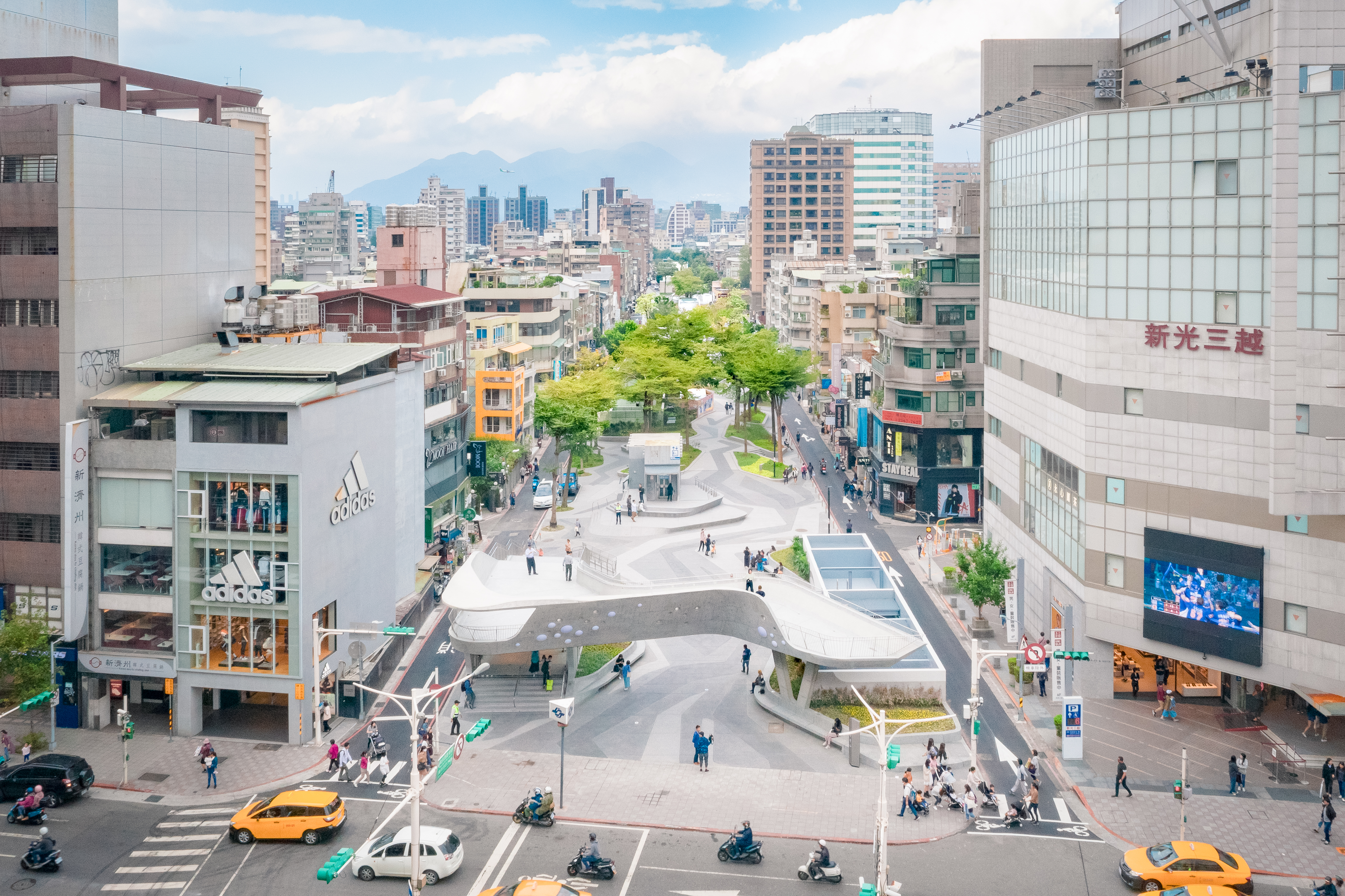 Taipei demonstrates people-centred solutions through collaborative governance and integrated sustainability strategies. © Taipei Rapid Transit Corporation
TAIPEI is recognised for its ability to shape practical, people-centred solutions through collaborative governance, innovative community partnerships, and integrated sustainability strategies. Serving 2.6 million residents within tight geographical constraints, Taipei has developed a governance culture that embraces civic participation as a core planning tool to deliver positive and responsive change through integrated transport systems, neighbourhood-scale initiatives and community-led environmental actions.
Civic Engagement as Governance Foundation
Taipei’s governance model demonstrates how genuine community participation can strengthen municipal decision making. The city has cultivated a culture of civic consciousness that manifests in everyday practices and major policy initiatives. Community-driven waste management systems achieve remarkable environmental outcomes through social norms and collective responsibility, rather than infrastructural interventions alone. The Participatory Budgeting System enables residents to propose and vote on neighbourhood improvements, while the Long-Term Development Guidelines 2050 engages citizens as partners in shaping coordinated planning rooted in liveability, sustainability and inclusivity. Projects such as the 1.65km Xinzhongshan Linear Park demonstrate how collaborative design processes that incorporate ideas from residents, academics, the public sector and the private sector can transform urban infrastructure and create vibrant public spaces. The linear park has catalysed visible positive transformation to the neighbourhoods through which it runs.
Socially Embedded Infrastructure as Community Building Catalyst
Taipei’s strategic deployment of social infrastructure serves as a catalyst for community building, setting a good example for integrated planning that addresses both functional needs and social cohesion. The Fresh Milk for Every Child programme serves 208,000 students through public-private partnership, encouraging daily interaction between schools, families, and local business communities. The One Sports Centre per District policy provides comprehensive sports facilities, with extensive volunteer participation reflecting strong civic ownership of public amenities. The adaptive reuse of Songshan Cultural and Creative Park further demonstrates this approach, transforming a former tobacco factory into a community hub that supports local artists, designers, retailers through curated events and markets. By pairing heritage preservation with contemporary programming, the park has become a tourist magnet as well as strengthening neighbourhood identity and providing an inclusive platform for creative industries and community-led activities.
Climate Resilience Through Innovation
Taipei’s environmental strategy shows how citizen participation can amplify sustainability. The “No Trash Left On The Ground” policy achieved 67% general recycling rate through behavioural shifts anchored in community engagement, creating new social norms promoting environmental responsibility. Integrated water management systems have increased the city’s rainfall resilience, while projects like Jinrui Flood Management Park combine flood retention with ecological preservation and volunteer-led educational programmes, showing how climate adaptation infrastructure can serve both environmental and community-building roles.
Accessible and Sustainable Transportation
Taipei addresses chronic traffic congestion from high population density through a comprehensive green public transport network. The 131.1km expanded rail transit system and YouBike public bicycle rental system have achieved a 63% green transport modal share toward a 2030 target of 70%. With near-universal public transport coverage serving over three million daily passengers, this integrated approach has inspired adoption across 13 municipalities, demonstrating how coordinated transport planning can simultaneously address mobility needs, environmental goals, and enhance liveability in dense urban environments.
Despite notable progress, Taipei continues to face significant structural challenges. Housing affordability remains pressing, with high property prices driving young residents out of the city. Transport challenges persist despite excellent metro coverage, with ongoing traffic congestion and widespread motorcycle usage and parking along sidewalks that detract from otherwise well-planned streetscapes. The river wall separating the city from its waterfront presents a long-term opportunity to reconnect communities with the natural assets. These challenges reflect the complex balance between accommodating diverse urban needs while maintaining pedestrian safety, environmental resilience, and liveability in a dense metropolis.
Taipei’s commitment to authentic civic engagement through collaborative governance and sustained infrastructure investment offers valuable lessons for dense cities worldwide facing similar challenges of demographic transition, environmental resilience, and social cohesion. O