Lisbon – Creative urban projects
12 March 2023
Explore how Lisbon used creative urban projects to revitalise its riverfront, public squares, and historic quarters through this photo essay.
This article has been migrated from an earlier version of the site and may display formatting inconsistencies.
Lisbon responded to its challenges by implementing creative urban projects that revitalised neighbourhoods and promoted public engagement. Car-free zones and celebrating diverse communities contribute to Lisbon's dynamic and diverse character. Discover more in this photo essay.
One of the oldest cities in the world, Lisbon is the capital and largest city of Portugal and predates other contemporary European capitals by centuries. Lisbon experienced recent turbulent times of transition, including the Great Lisbon Earthquake of 1755[^1] and the aftermath of the 1974 Carnation Revolution[^2], which introduced 500,000 new residents to the city as well as social tensions and infrastructure issues.
In the ensuing decades, Lisbon has responded by implementing creative urban projects to get more done with less, encouraging a fresh influx of energy and rediscovery. By implementing strategic projects, it is readying itself to meet present and future challenges.
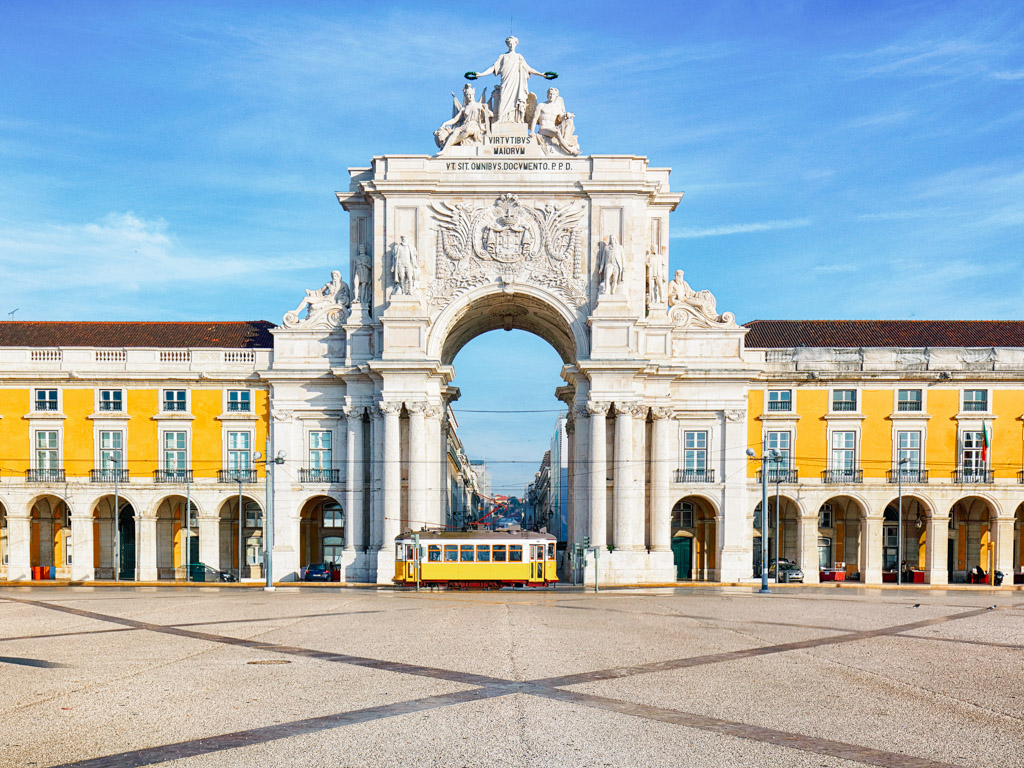
Praca do Comercio © TTstudio/Shutterstock
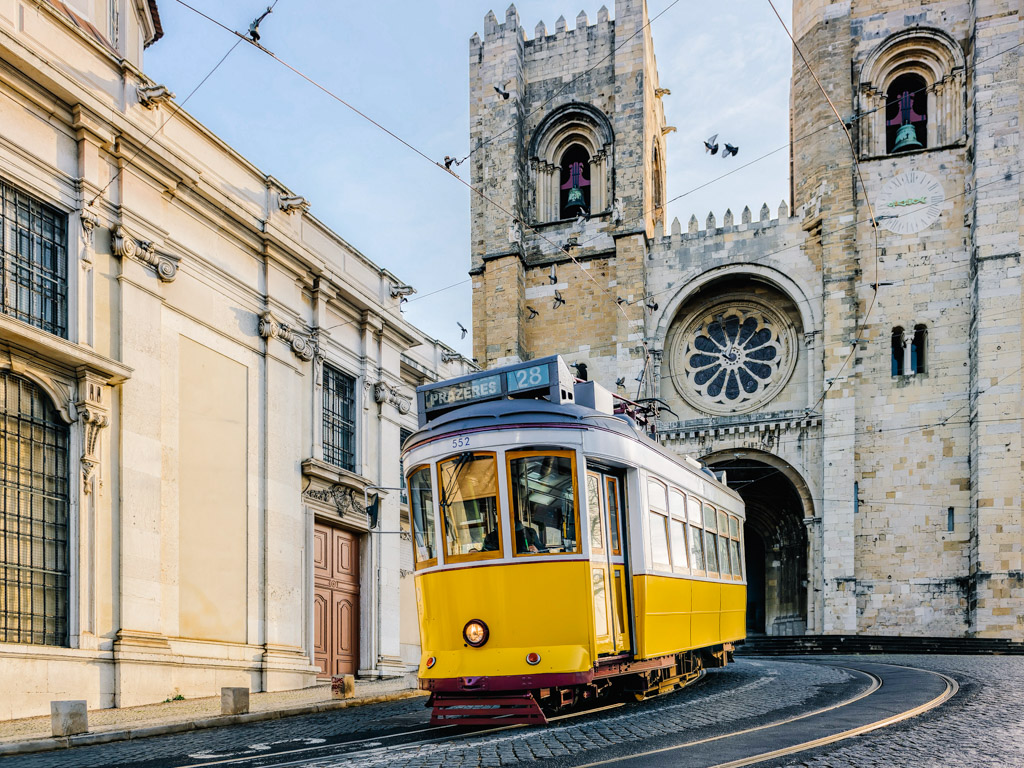
A yellow tram passing in front of Santa Maria cathedral in Lisbon © Kraft_Stoff/Shutterstock
Lisbon riverfront, redefined
The Lisbon riverfront holds significant importance as it not only serves as a natural boundary for the city but also boasts key developments and car-free areas that have transformed the area into a vibrant and popular destination for locals and tourists alike.
In 2008, the federal government and the Port of Lisbon launched the 'General Intervention Plan for the Lisbon Riverside Region' which involved strategic projects to redefine the 19-kilometre riverside area along the Targus River, including the establishment of car-free areas to prioritise pedestrians.
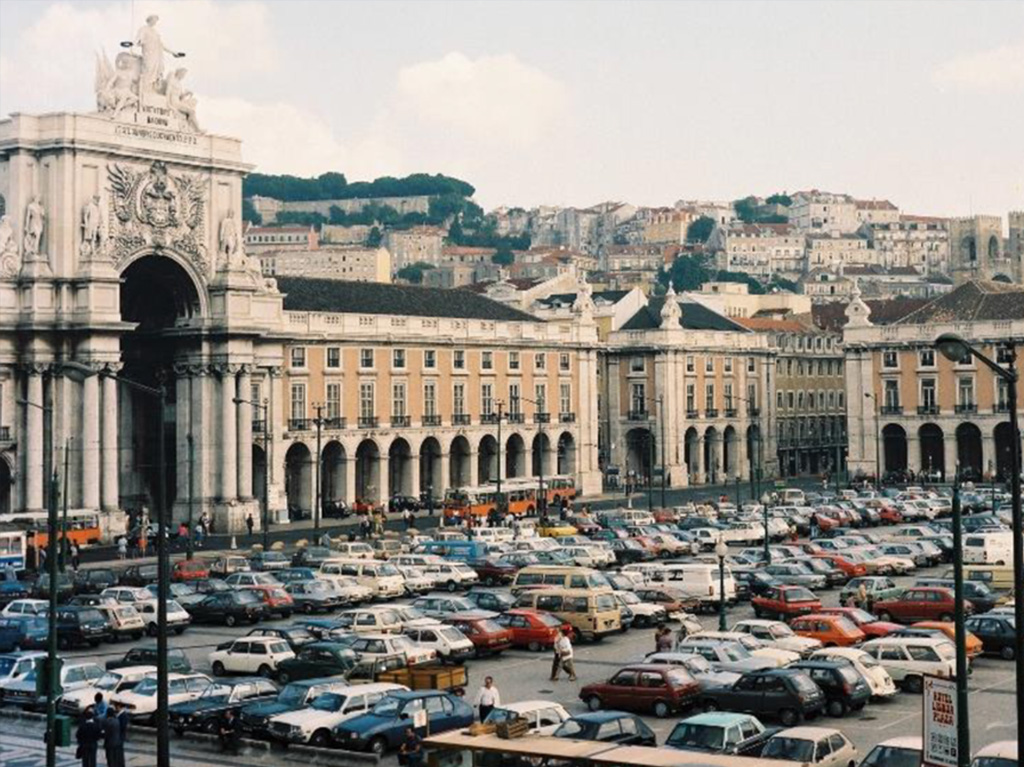
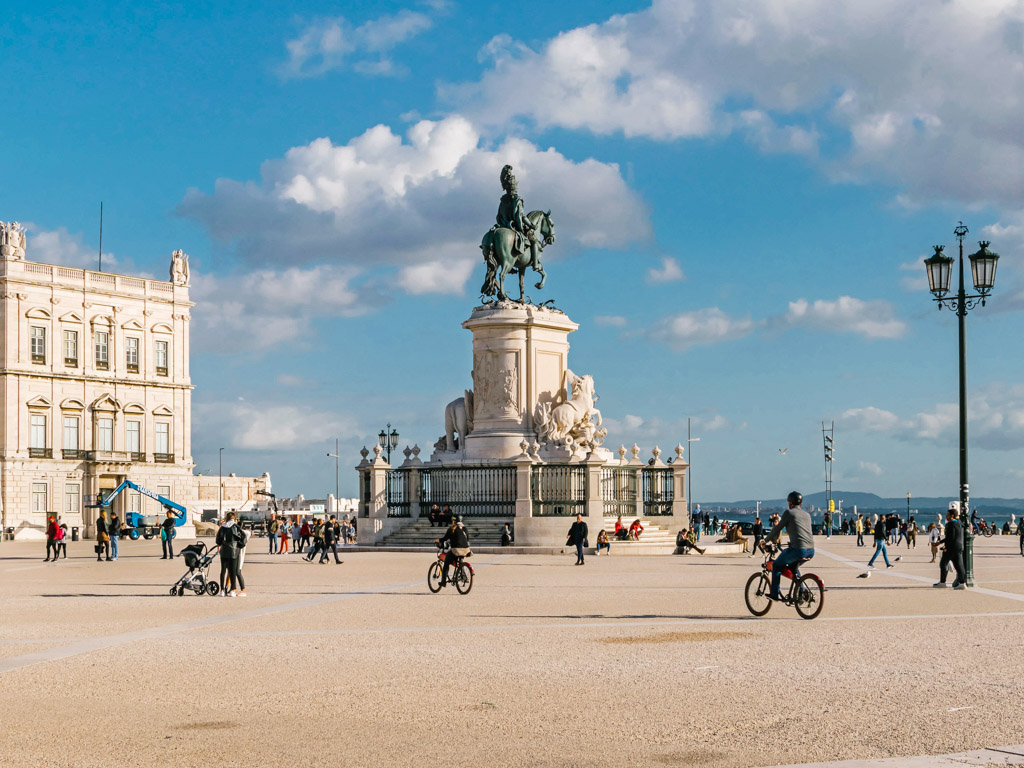
Before and after: Praça do Comercio or Commerce Square used to be parking lots for cars but is now a fully pedestrianised plaza © Lisboa City Council (top); laranik/Shutterstock (bottom)
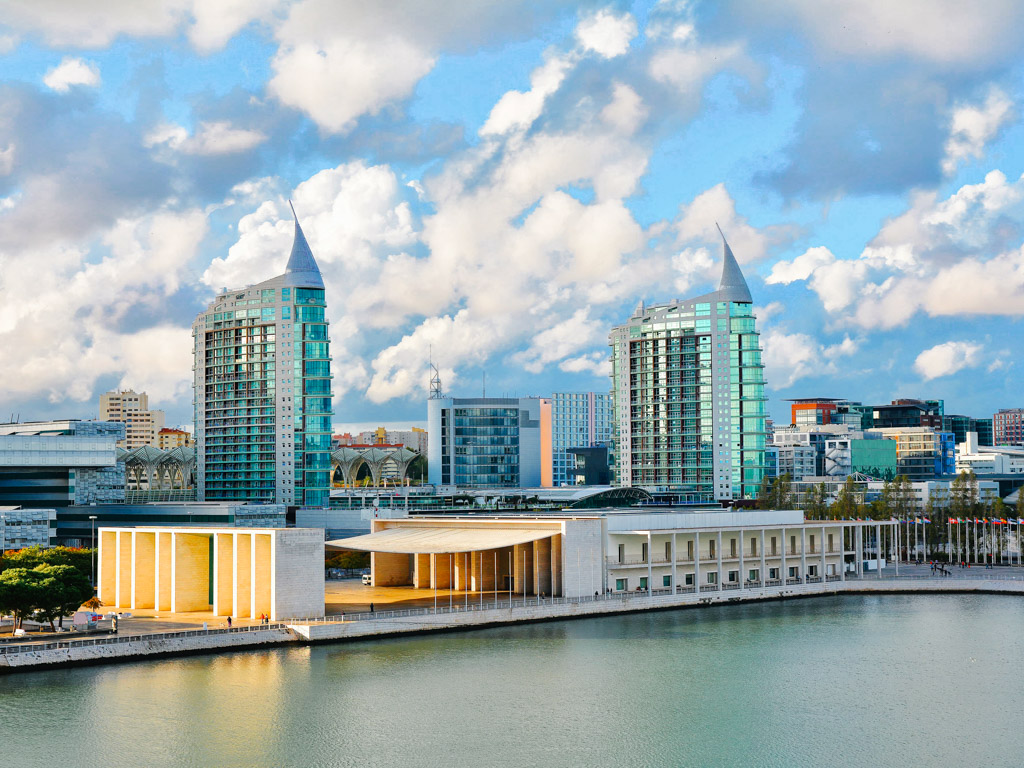
The 1998 Lisbon World Exposition transformed the Parque da Nações neighbourhood, and is first in a series of rejuvenation on the Lisbon riverfront © ELEPHOTOS/Shuttershock
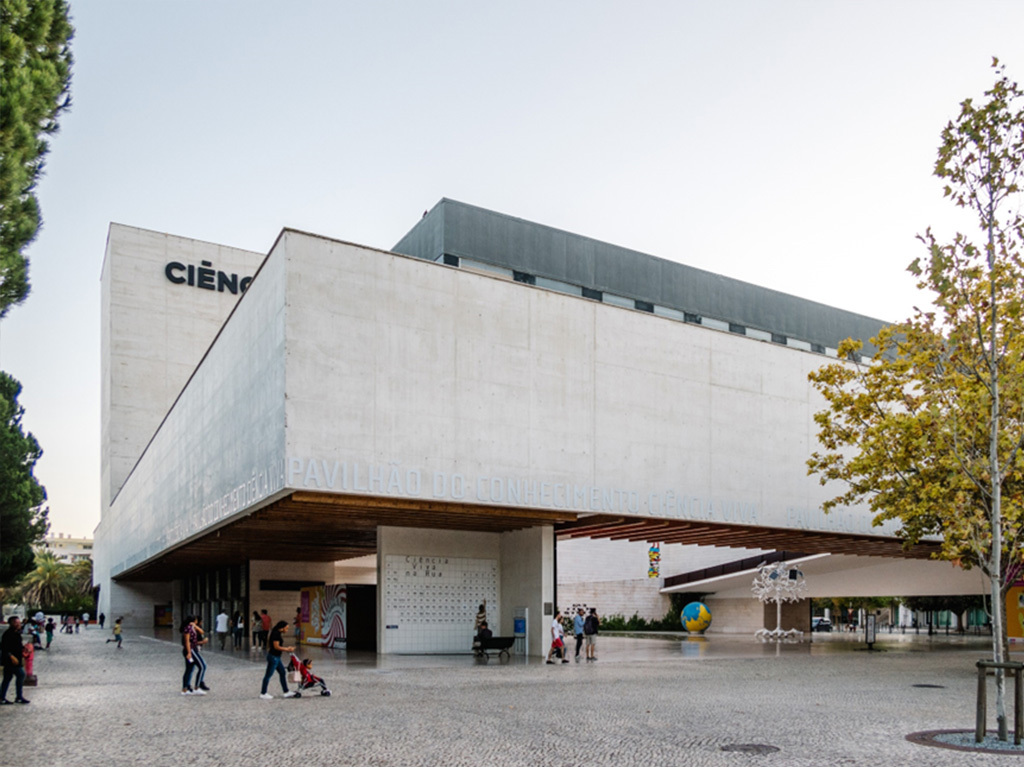
Contemporary science museum (originally part of 1998 Lisbon World Exposition) by Carrilho da Graça © Damien Woon
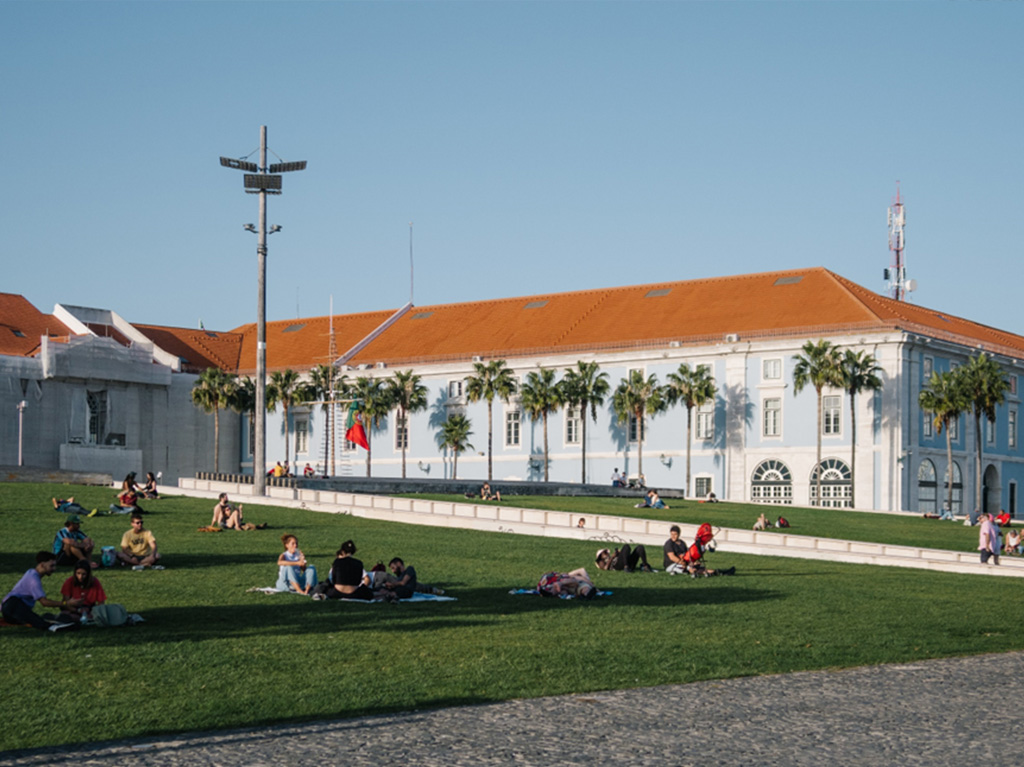
Campo das Cebolas – a landscaped square on the riverfront © Damien Woon
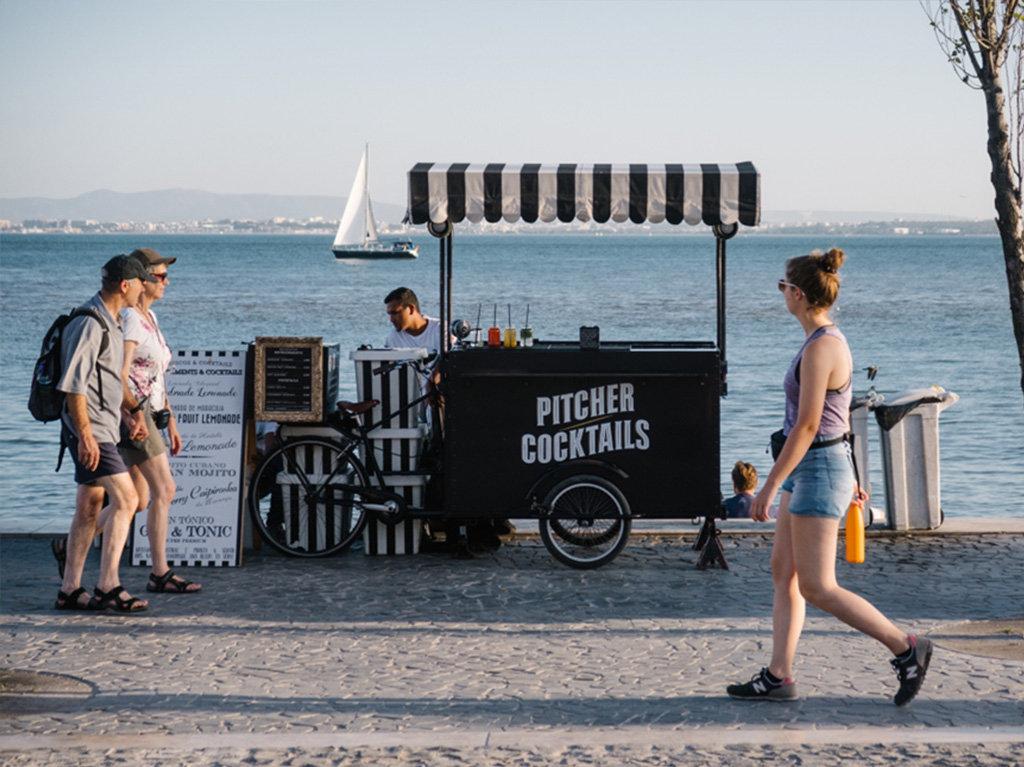
Activities on the Lisbon riverfront © Damien Woon
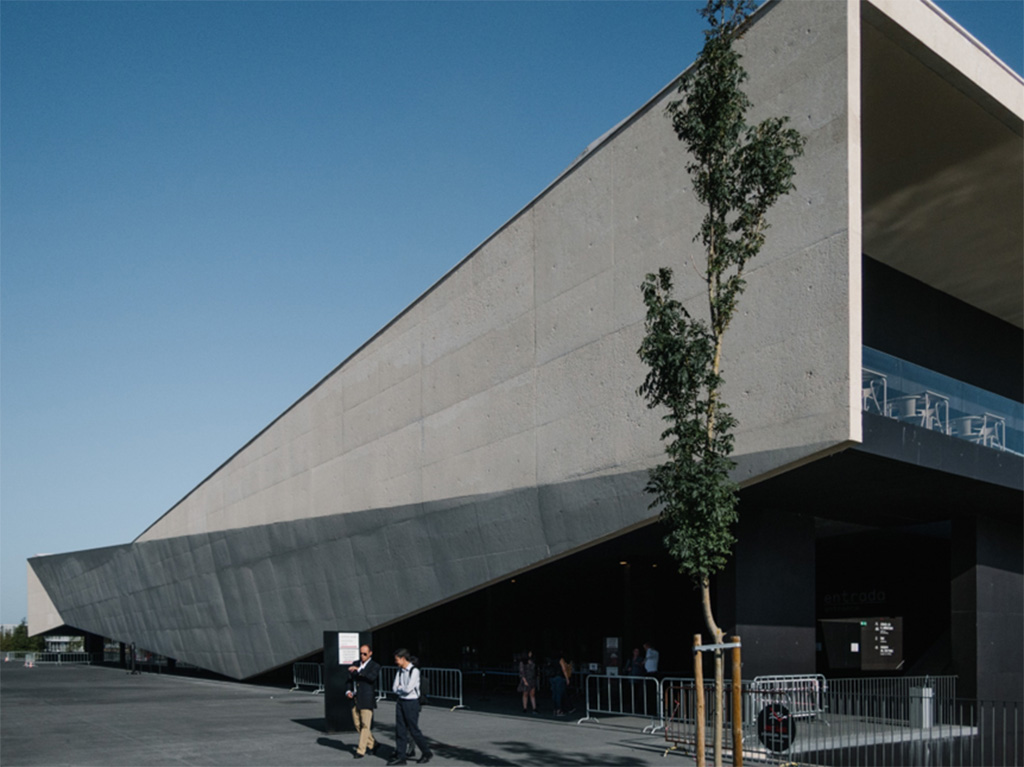
Lisbon Cruise Terminal (Novo Terminal de Cruzeiros de Lisboa) designed by Carrilho da Graça Arquitectos © Damien Woon
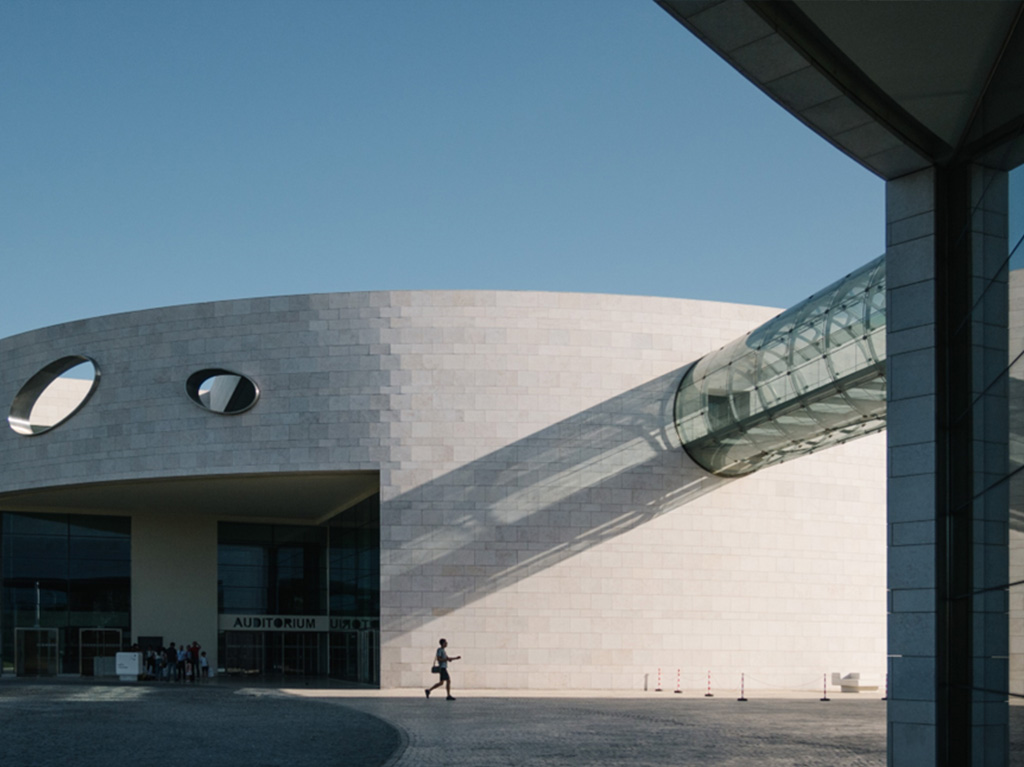
Fundação Champalimaud designed by Charles Correa Associates © Damien Woon
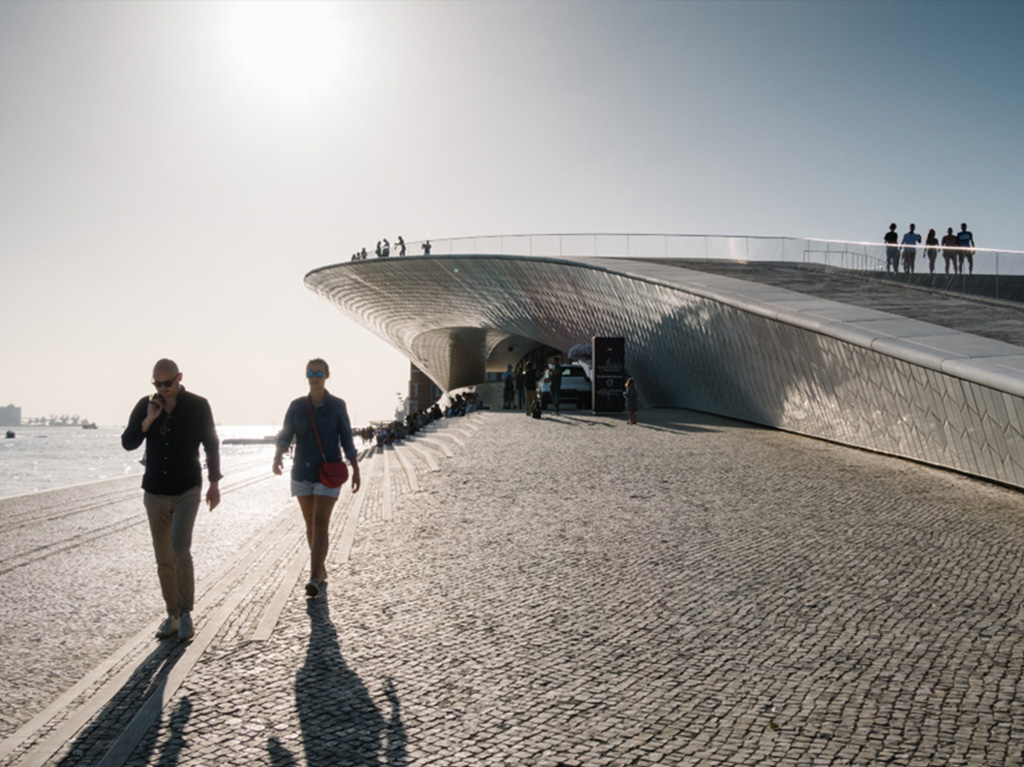
Museum of Art, Architecture and Technology (MAAT) designed by Amanda Levete © Damien Woon
Neighbourhood public spaces, redeveloped
Lisbon is actively revitalising its neighbourhoods through the 'A Square in Each Neighbourhood' programme, which aims to develop 30 public squares throughout the city. The programme has garnered greater public participation and ownership of neighborhood public spaces over the first five years since its launch.
As a result, the number of cyclists and pedestrians in the Central Axis area increased significantly, indicating the success of Lisbon's approach in selecting the most effective urban interventions for bringing about a positive change.
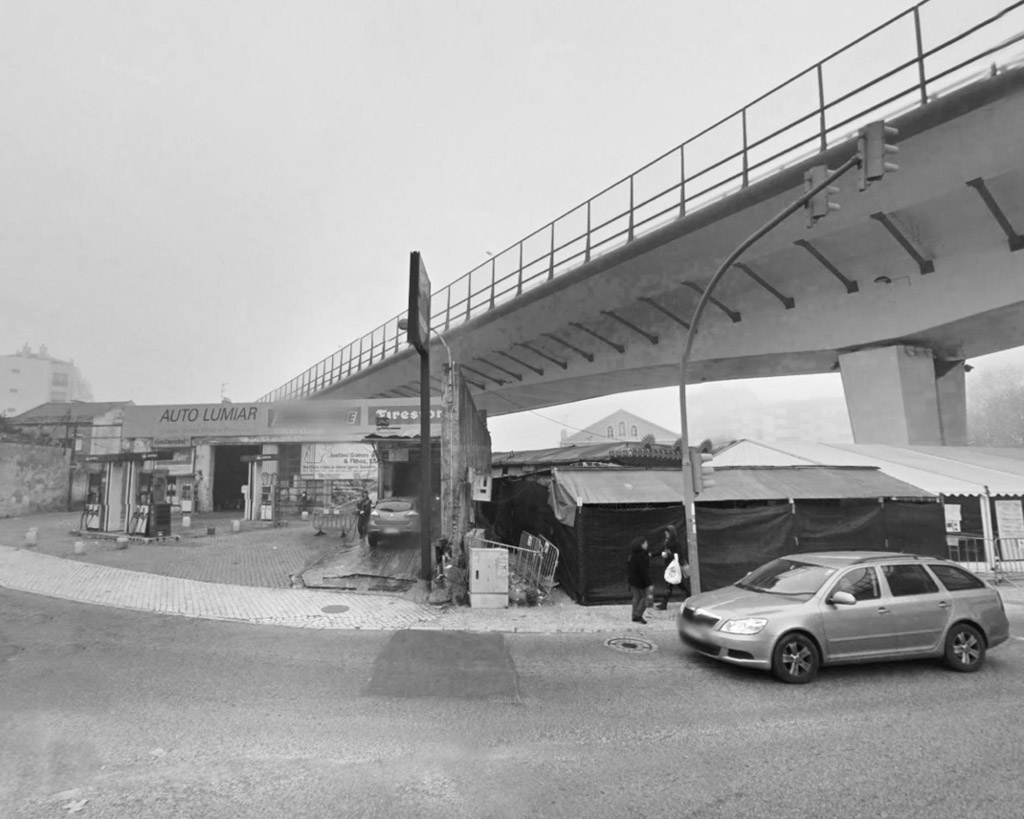
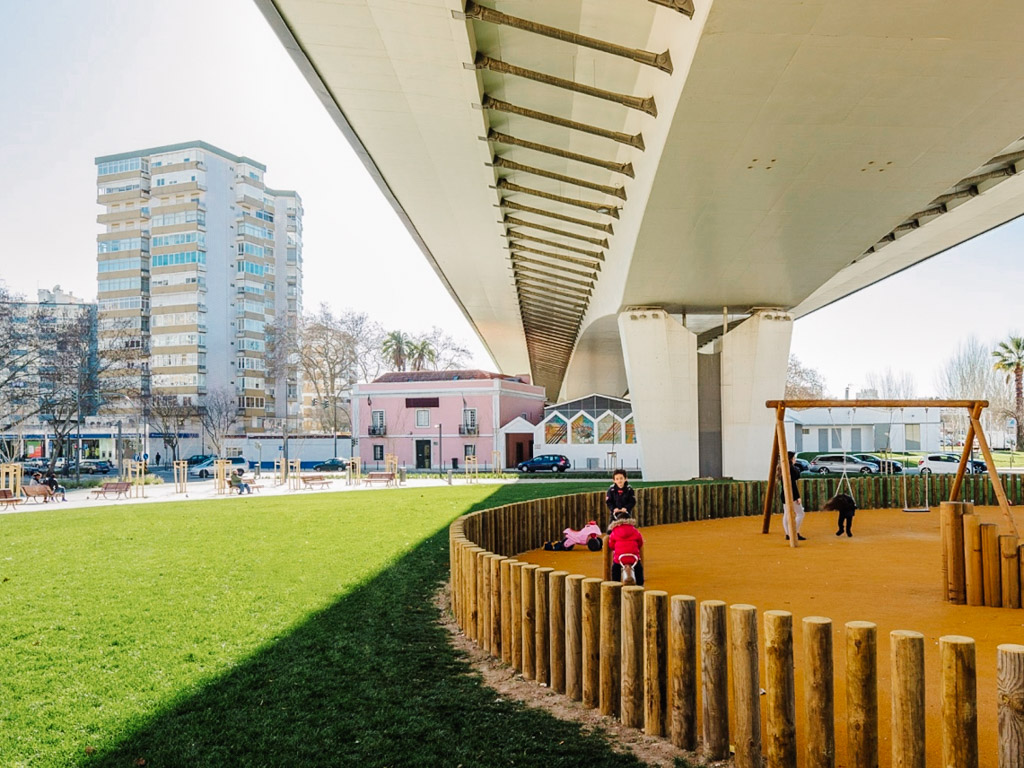
Before and after: under the viaduct © BB Arquitectos (top); FG + SG fotografia de arquitectura (bottom)
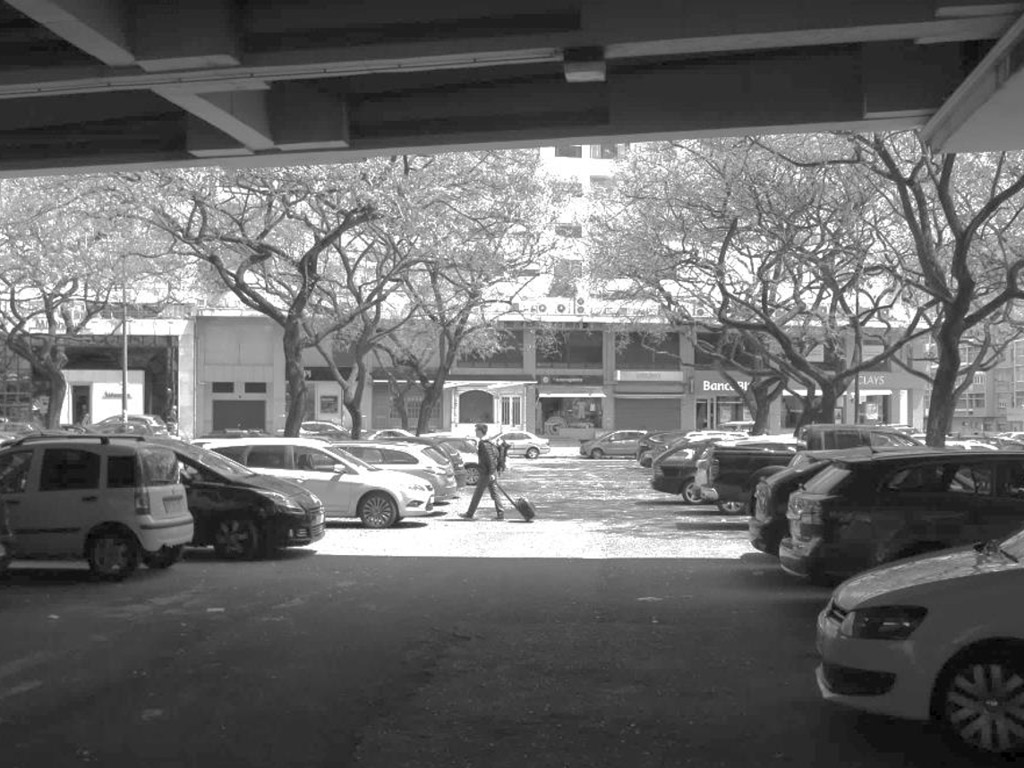
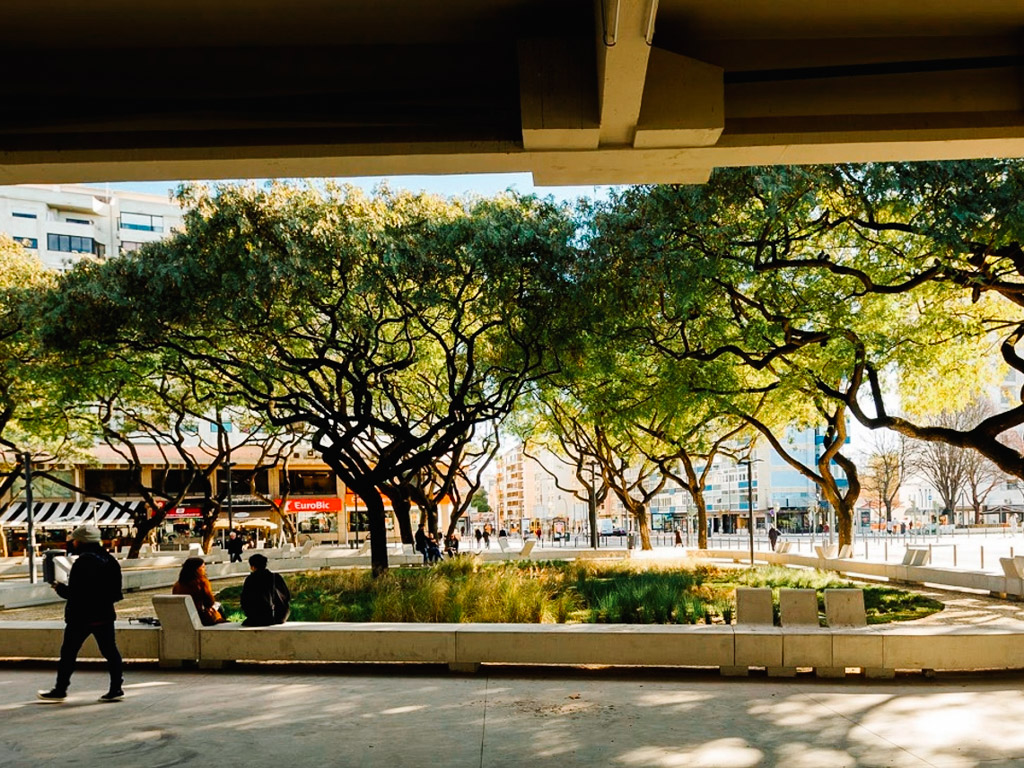
Before and after: Avenida Manuel Ricardo Espírito Santo © José Adrião Arquitectos (top); FG + SG fotografia de arquitectura (bottom)
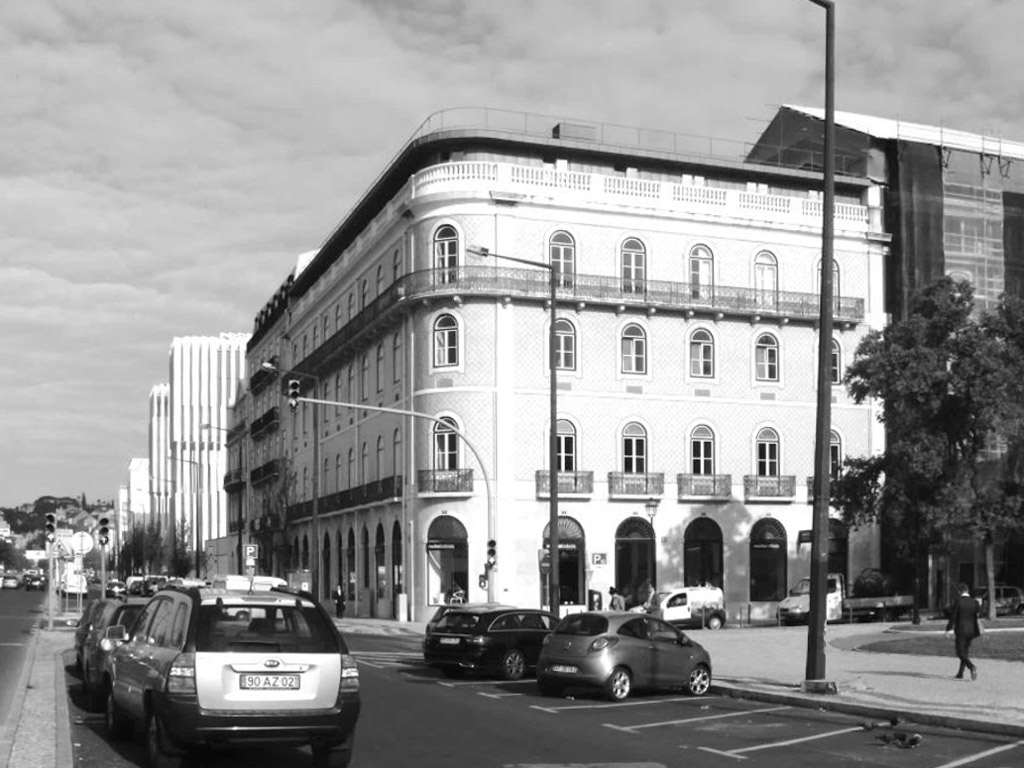
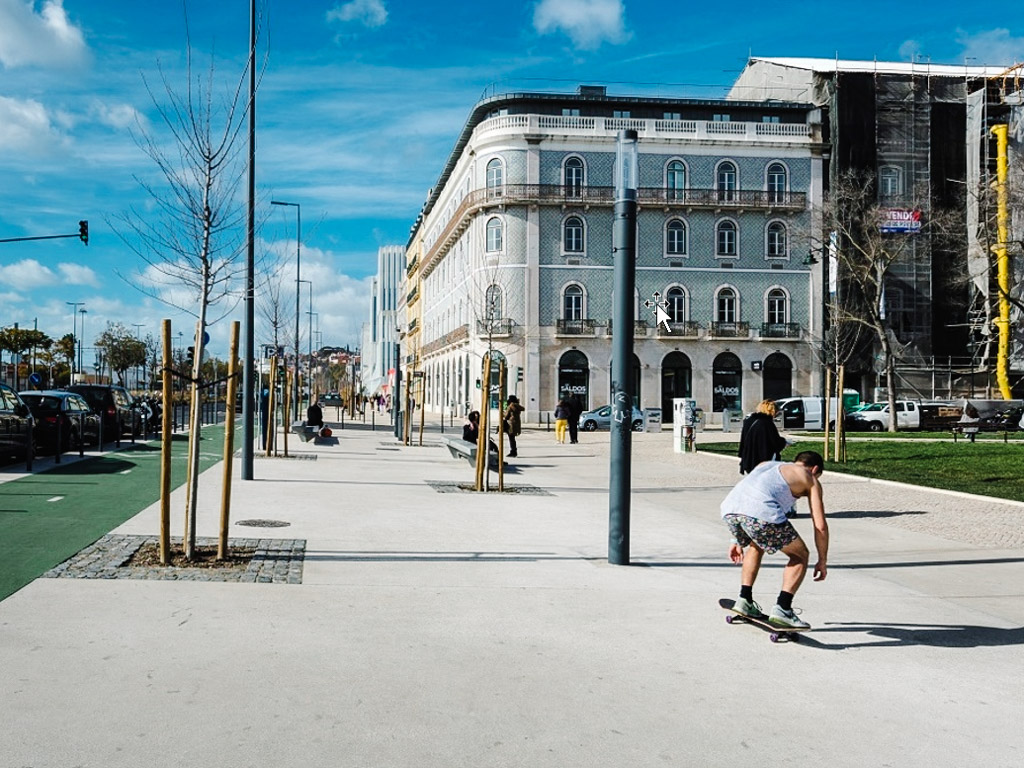
Before and after: Largo de Santos © Lisboa City Council (top); FG + SG fotografia de arquitectura (bottom)
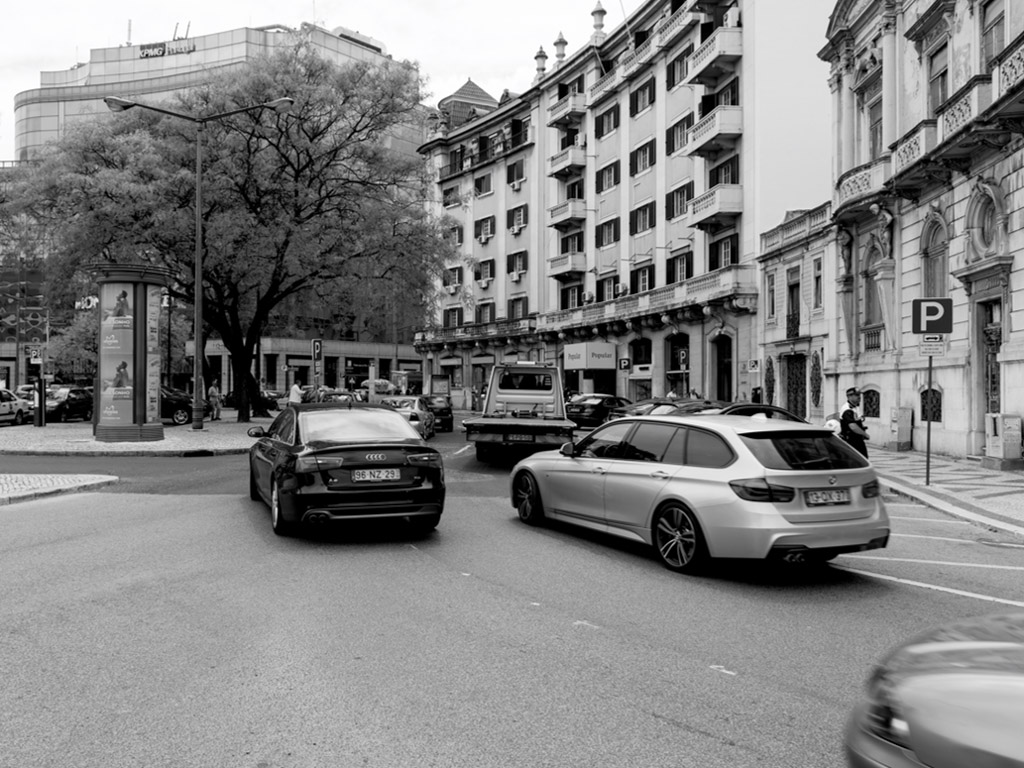
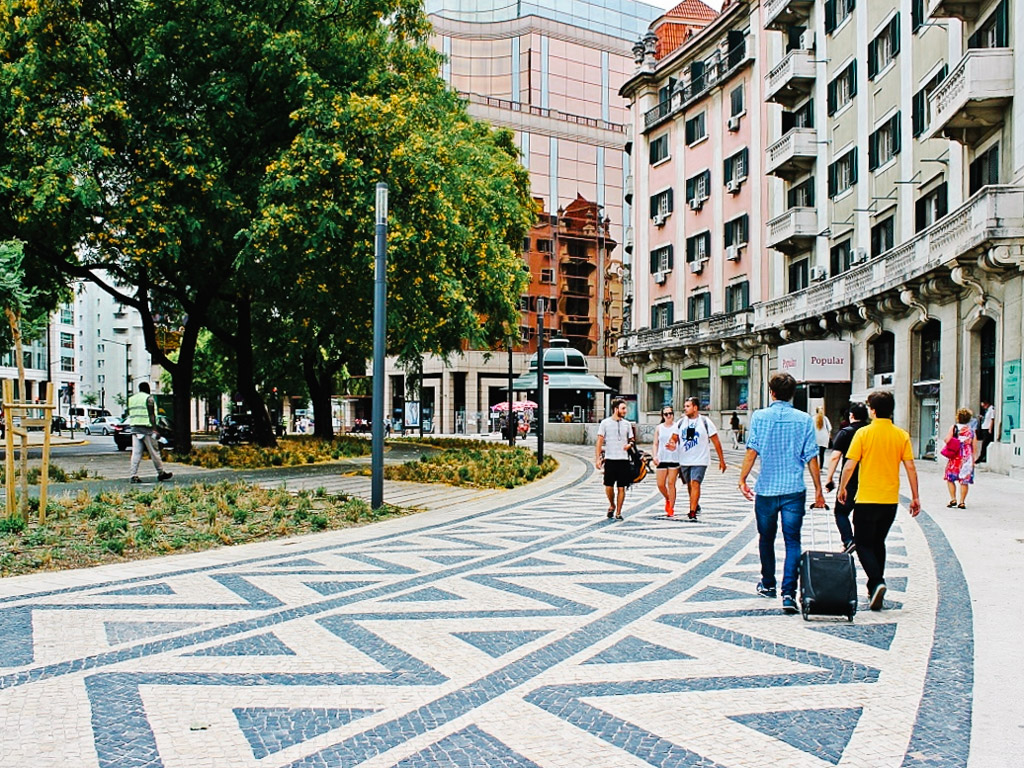
Before and after: Praça do Duque de Saldanha © Lisboa City Council (top); Pedro Serranito (bottom)
A historic quarter, transformed
Lisbon transformed the historically stigmatised Mouraria quarter into a vibrant and diverse district by celebrating and enhancing the multi-ethnic character of the area's migrant communities. This involved restoring historic buildings, cobblestone pavements, and installing artworks to commemorate the birth of Fado in the neighbourhood. The TODOS Caminhada de Culturas Festival was established in 2009 to celebrate the cultural richness of Mouraria.
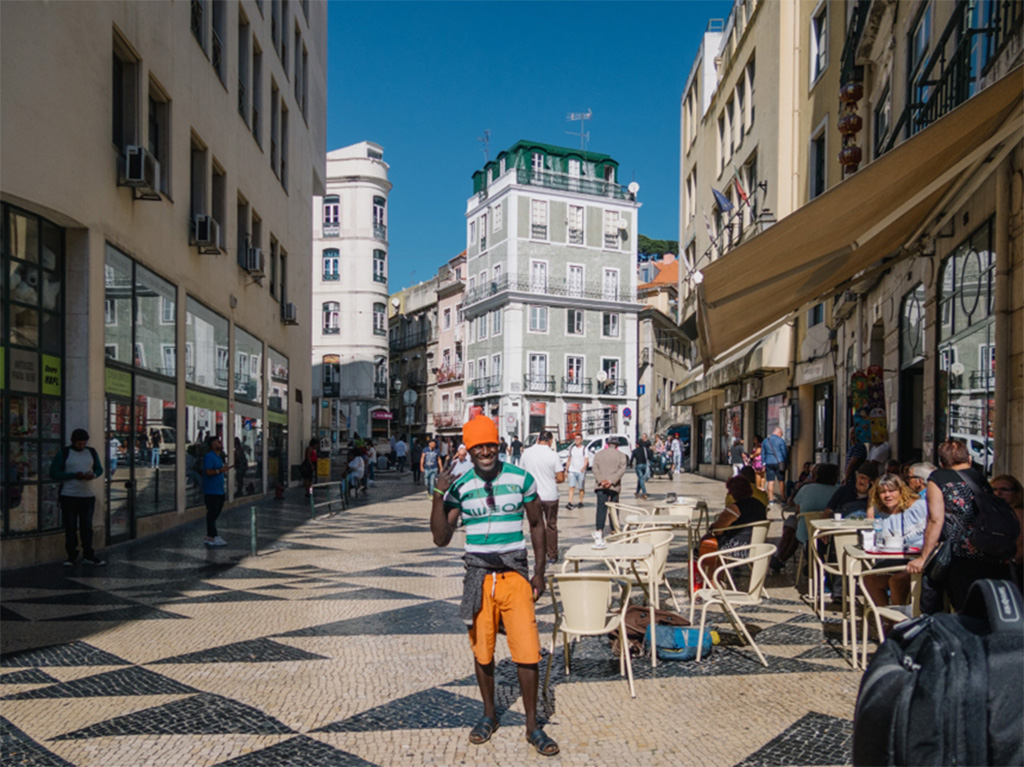
The rejuvenated Mouraria Quarter today © Damien Woon
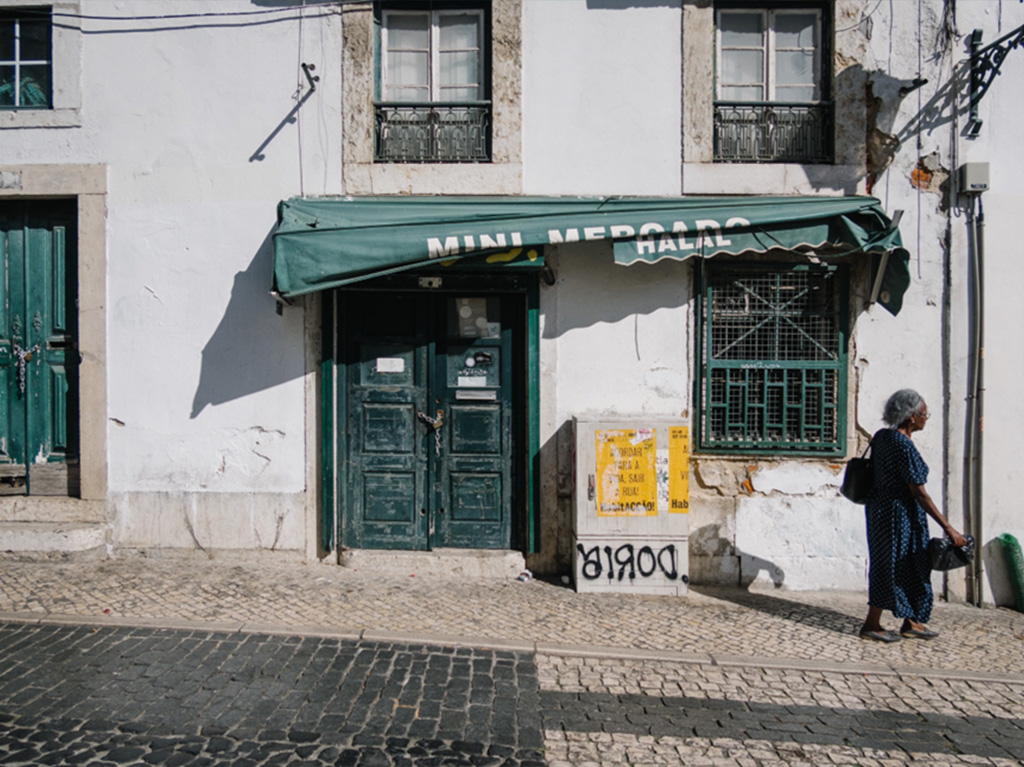
Mouraria’s character is shaped by its many ethnic communities who call it home © Damien Woon
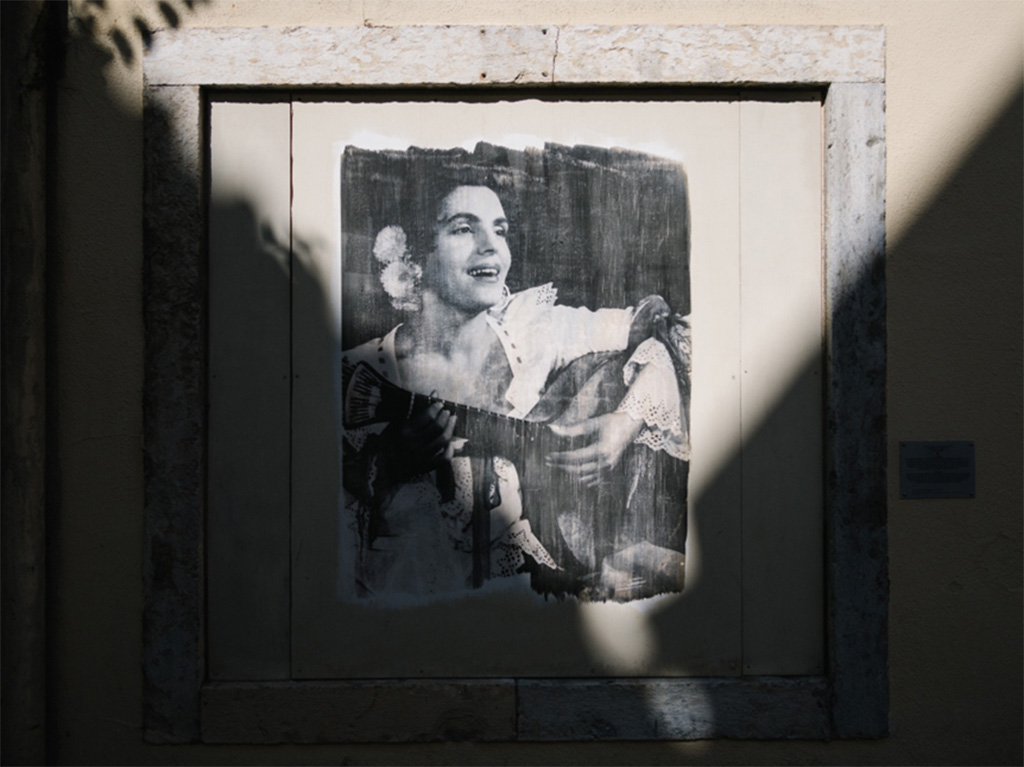
Mouraria is also the birthplace of Fado – a Portuguese music genre usually with a melancholy theme © Damien Woon
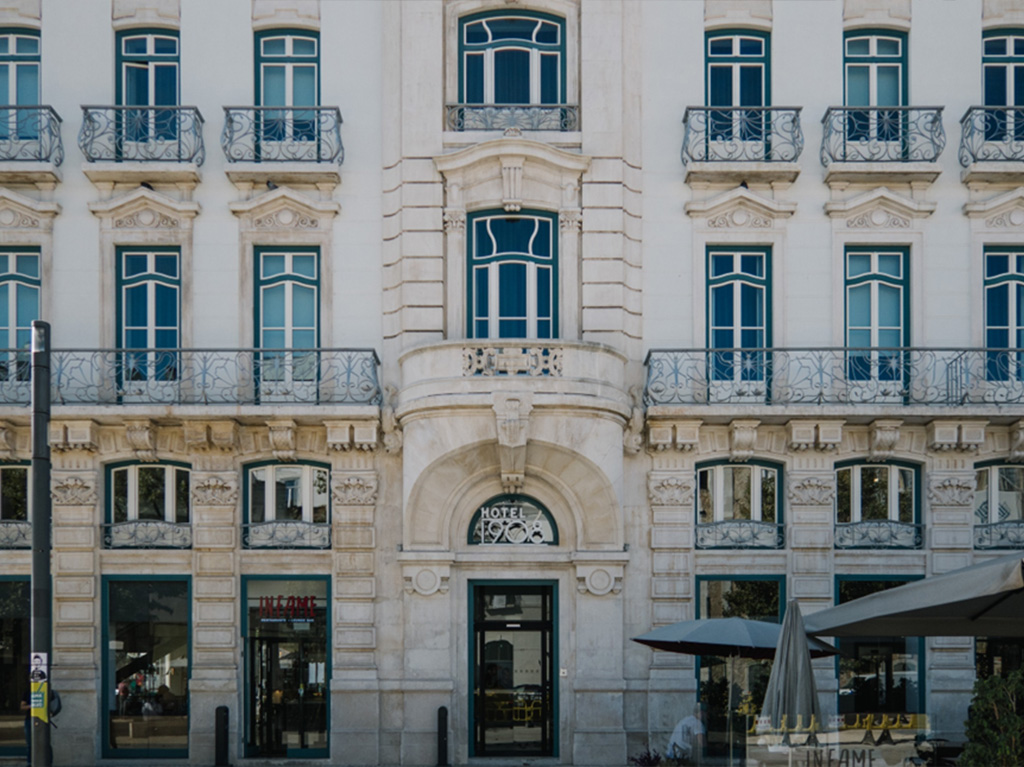
A restored building in Mouraria now serving as a hotel © Damien Woon
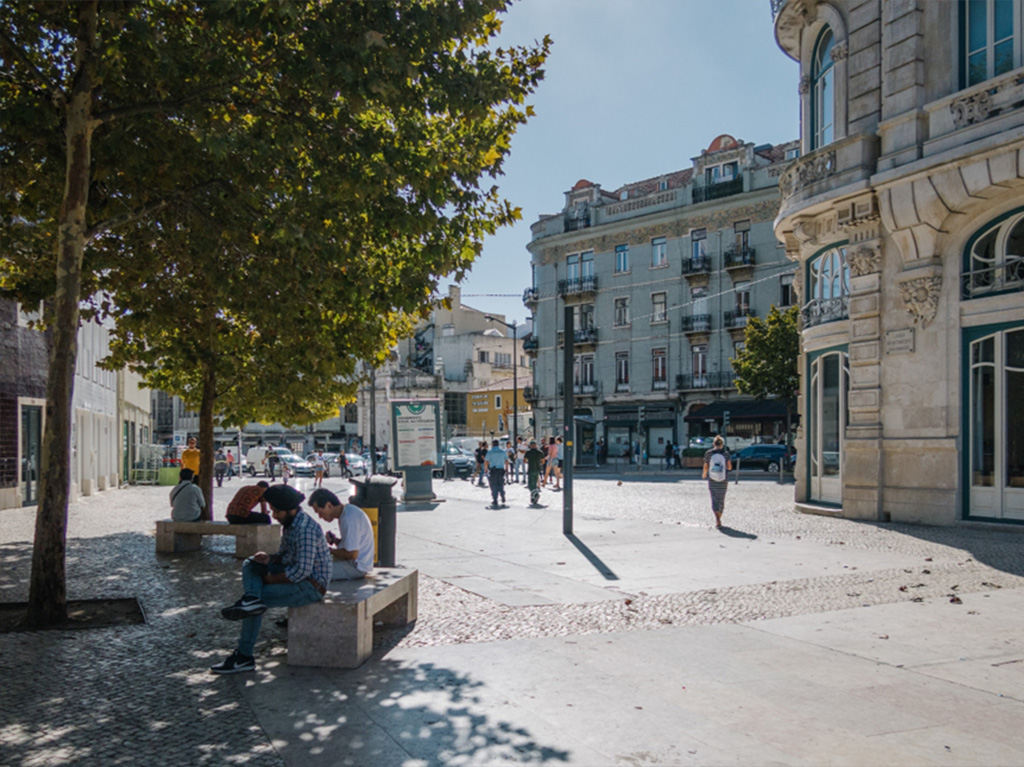
New public areas in Mouraria © Damien Woon
[^1]: The Great Lisbon earthquake took place on November 1st, 1755, during the Feast of All Saints in Portugal. The earthquake, along with fires and a tsunami, caused significant damage to Lisbon and its surrounding areas, almost completely destroying them. (Source: Wikipedia.com (opens in new tab))
[^2]: The Carnation Revolution, also known as the 25 April, was a military coup that took place in Lisbon on April 25th, 1974. The coup overthrew the authoritarian Estado Novo regime and led to the establishment of the Third Portuguese Republic, which ended the paternal autocratic rule of António de Oliverira Salazar and Marcello Caetano. (Source: Wikipedia.com (opens in new tab))