Power of placemaking lies in local communities
2 December 2024
Discover how storytelling and community involvement drive great placemaking. Learn from Christopher Law's work on historic districts and vibrant public spaces.
This article has been migrated from an earlier version of the site and may display formatting inconsistencies.
Part of the success of Chengdu’s Taikoo district in China lies in the juxtaposition of its sacred temples and commercial spaces which are more quotidian in contrast, says Christopher Law, Founder of architectural and placemaking firm, the Oval Partnership. He takes us through ancient temples and historic neighbourhoods to understand the power of placemaking in creating more memorable places and stronger communities.
Writer: Serene Tng
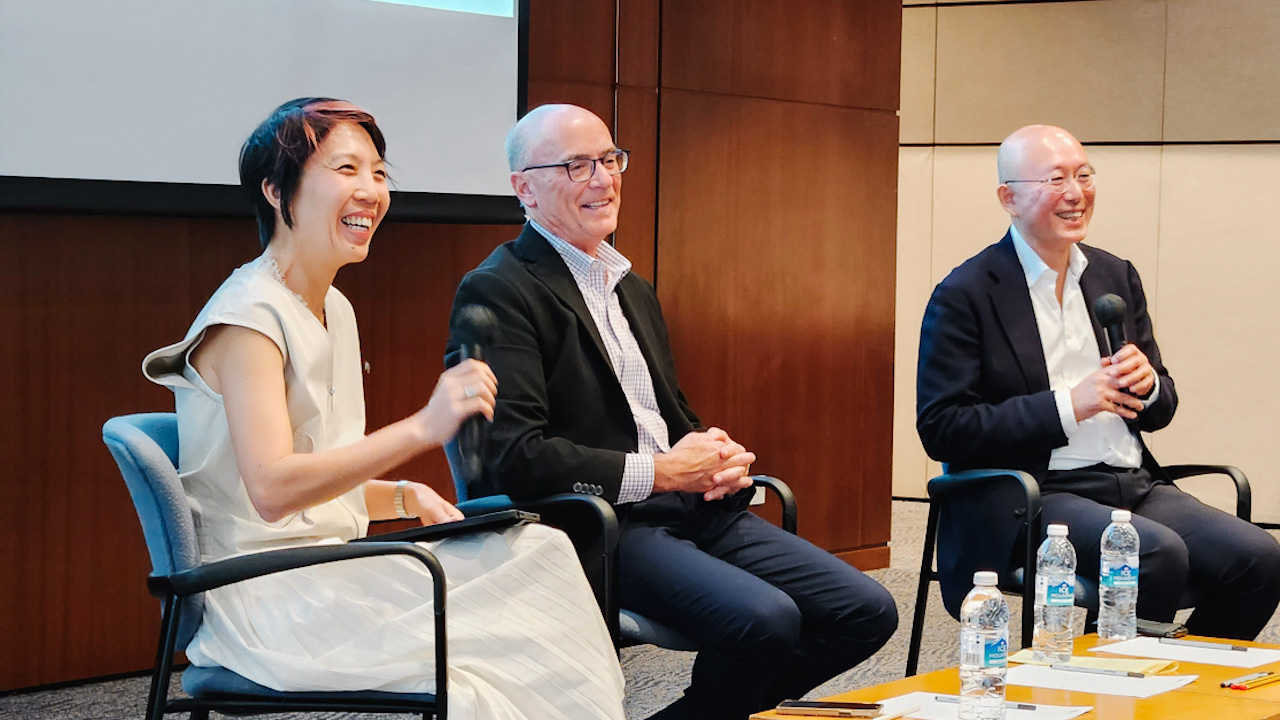
Christopher Law (first from right) at the 2024 Place Management Seminar in Singapore © Urban Redevelopment Authority Singapore
You have shared that building a compelling narrative and telling great stories are critical for placemaking. Why is this important?
Christopher: Storytelling is often underestimated as a vehicle for placemaking efforts. It is a simple yet powerful way of communicating with and engaging people from different walks of life about a place. From the hawker, to the cleaner and even children, it is a universal medium that can make a place feel more relatable, endearing and come alive.
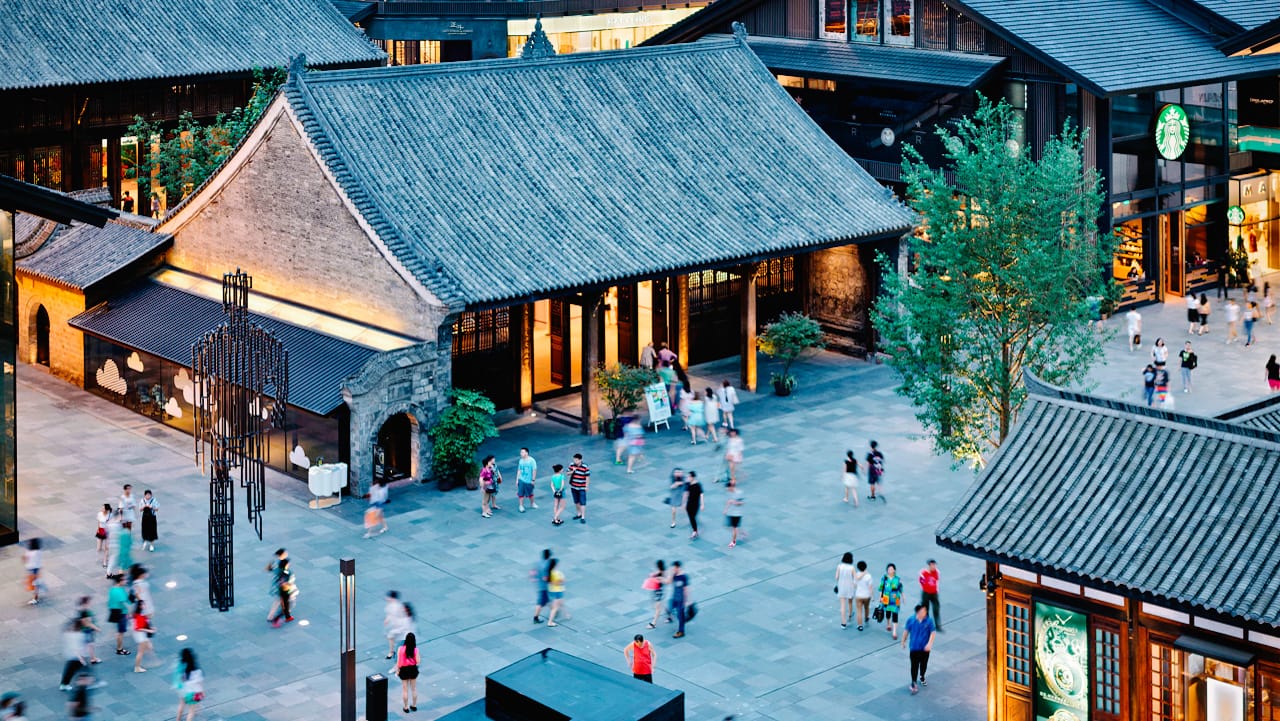
Storytelling was used strategically to engage and get stakeholders’ support for the revitalisation efforts of Chengdu’s Taikoo district. © Oval Partnership
Through stories about places, people can find their own resonance in relating places to their personal experiences, stories and interests. A book that may be of interest to placemakers is “The Seven Basic Plots: Why We Tell Stories (2004)” by the British journalist and author, Christopher Booker.
While the book examines the basis of storytelling in literature and film, it reminds us on the real purpose of storytelling that connects to our inner most psyche. In telling stories about places, we should think about building the plot and creating protagonists. We have to remember that the key focus of places is not just about the buildings, it is always about people.
A key aspect of placemaking is in activating and curating great public spaces. What are some public space qualities we should pay closer attention to?
Christopher: Every public space in our cities is different and they all play different roles. We need to plan and cater for a diverse range. A good public space should have essential qualities such as having good edges and a sense of enclosure. Many of the public spaces that we love tend to be engaging and vibrant.
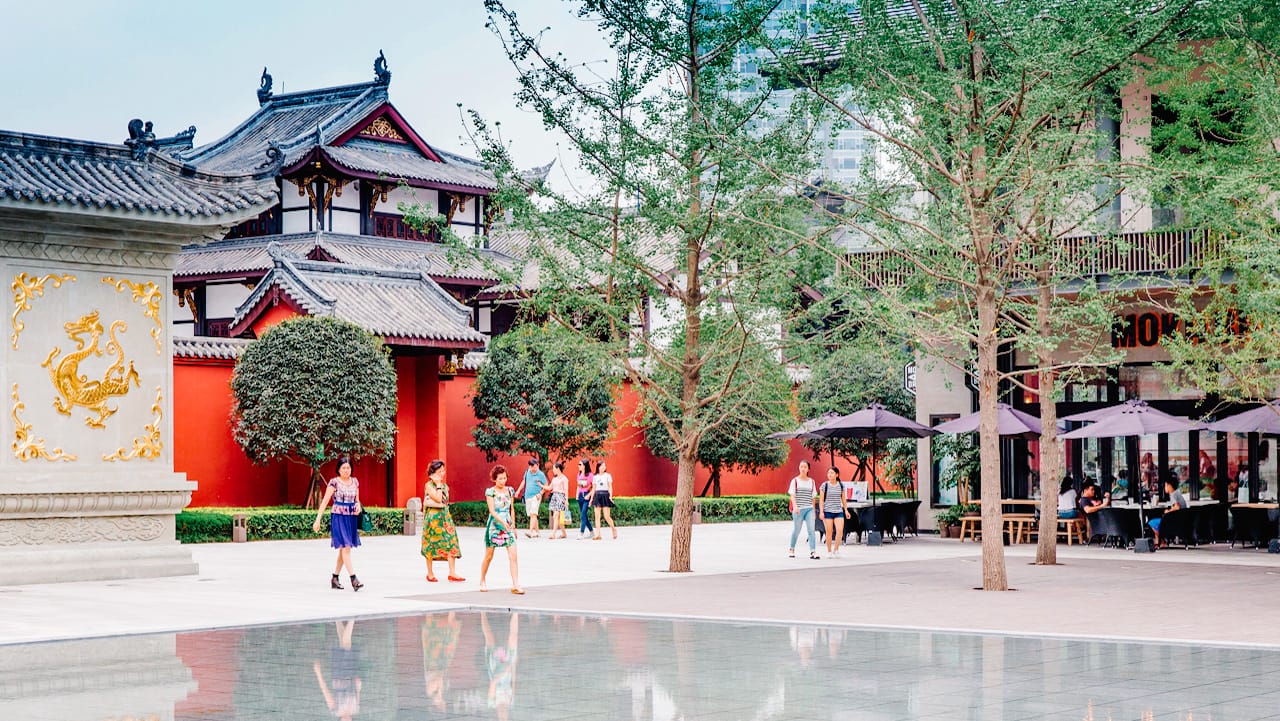
An example of the many diverse public spaces designed in Chengdu’s Taikoo district from vibrant ones to quieter spaces for people to relax in © Oval Partnership
But some public spaces can be impactful and profound without much embellishment or having a large crowd. You will notice that there are spaces in medieval monasteries or universities where they may have a lawn, courtyard or a quiet space in its central area.
Such an empty space can also create a strong sense of place. We can tell great stories about the meaning and spirit of places even through emptiness.
You led the rejuvenation of Chengdu’s Taikoo Li district in developing its 2014 master plan, effectively blending its six historic buildings with more modern amenities in shopping, dining and entertainment. What can we learn from this in ensuring the viability of such historic destinations?
Christopher: The district is anchored by its 1,300-year-old Buddhist Daci Temple. This meant that all the revitalisation efforts should be centred on how we can respect and honour the spiritual nature of the temple. We spent time understanding the temple and neighbourhood’s history and the stories and meaning behind the place as the basis on how we can interpret and add on the modern layers. One thing we noticed about such ancient places of worship, whether it is historic temples in China and Japan or medieval churches in Europe, there are usually vibrant markets located outside of them.
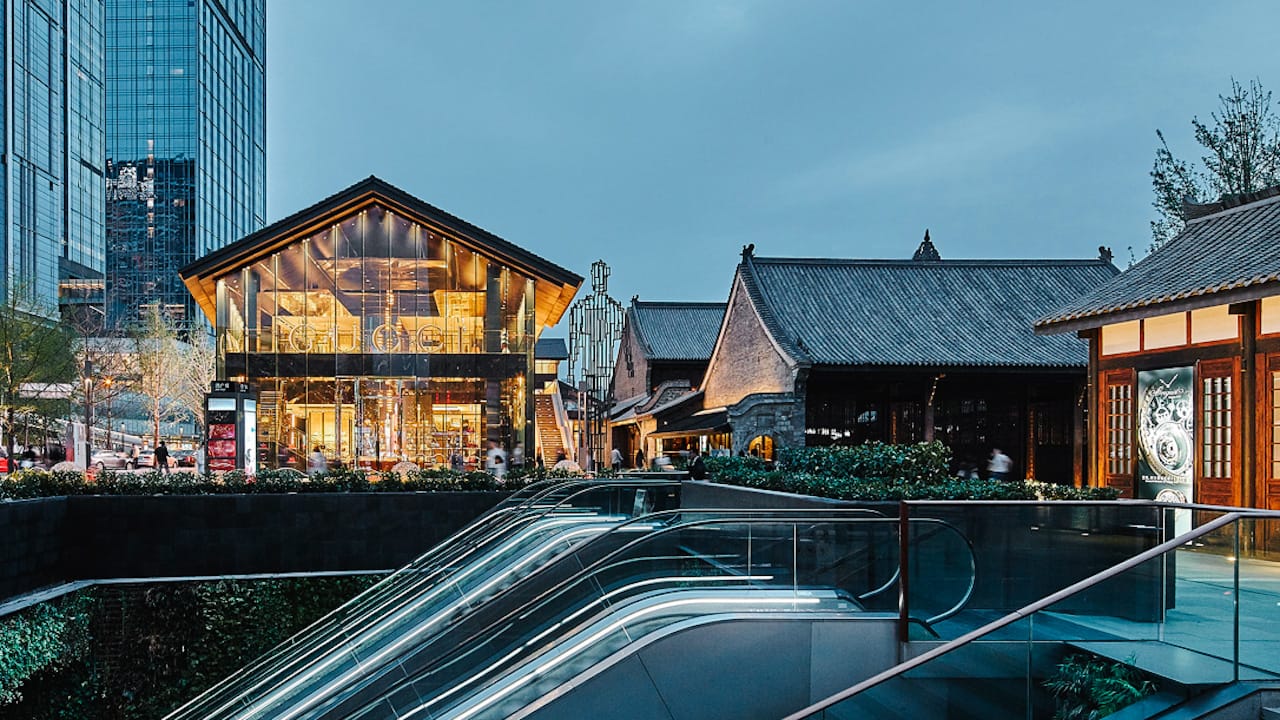
The charm of Chengdu’s Taikoo district lies in its careful juxtaposition of ancient temples and modern buildings, blending old and new elements beautifully © Oval Partnership
Thus, in our master plan for the area, we wanted to continue with this thousand-year-old tradition of mixing the holy with commercial spaces. Just like in a good story, we all want to be provoked and surprised. It is the contrast of locating the spiritual temples alongside the commercial spaces that are more profane and secular in contrast, that makes this place more interesting and viable.
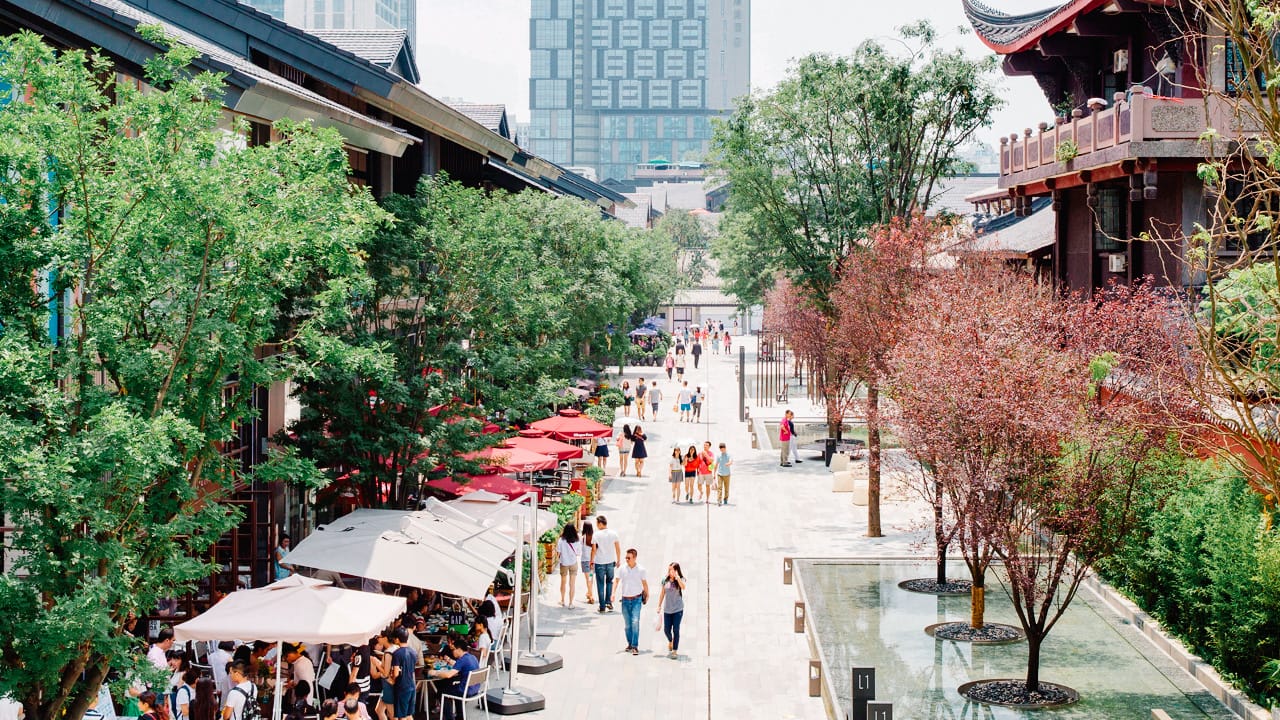
The commercial spaces alongside the historic temples in Chengdu’s Taikoo district continues the thousand-year tradition of mixing sacred elements with commercial spaces © Oval Partnership
For historic districts to continue to stay relevant, what should stakeholders focus on? Can we still retain our traditional businesses, while keeping up with the times?
Christopher: I believe the communities and stakeholders within historic districts have the wisdom to adapt their traditional businesses to keep up with the times while retaining the area’s rich heritage. One of the assets of such districts is its intangible heritage, which can be leveraged on to explore new business opportunities.
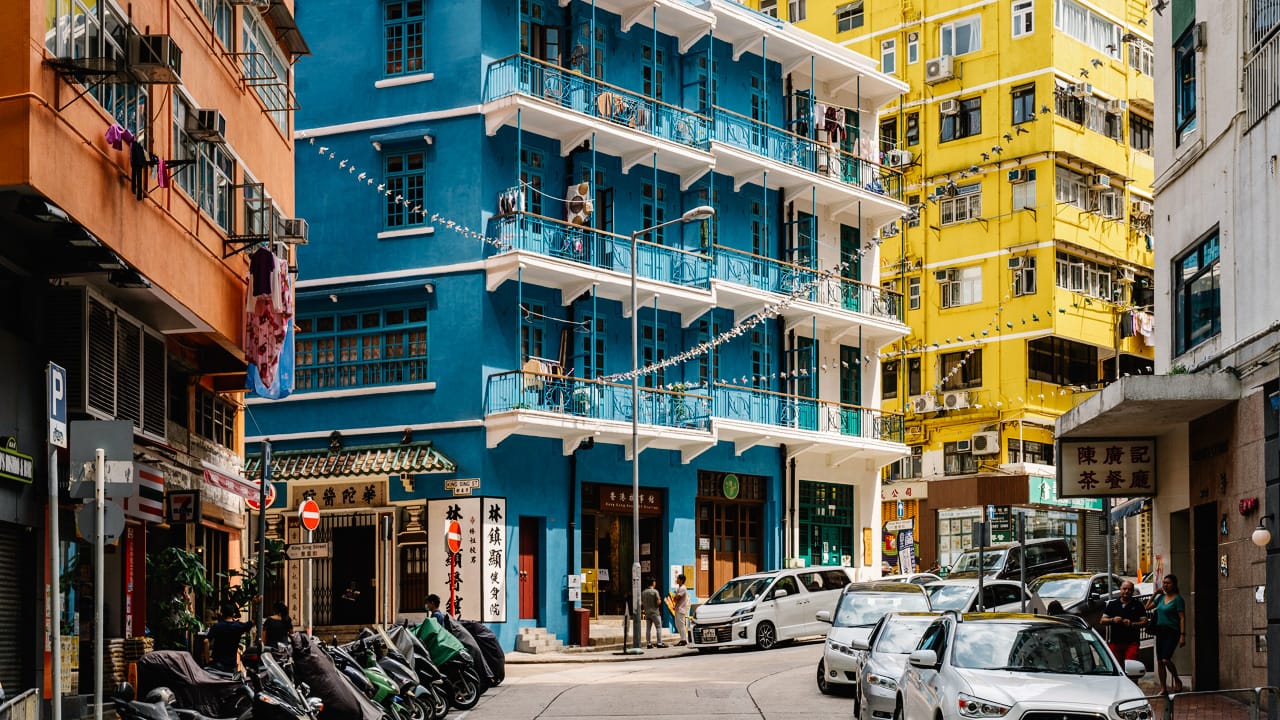
The Blue House in Hong Kong © Oval Partnership
For example, as the Chairman of the Blue House Steering Committee in Hong Kong for over 20 years, I’ve observed how communities have turned their intangible heritage into a viable business opportunity. The housewives in the Blue House area came together to bake special mooncakes which is an intangible heritage for the area. They used traditional recipes and ingredients to make the mooncakes, which make them unique to the area. They have become very popular and sell out quickly every year.
You have shared that placemaking goes beyond making a street vibrant or having higher retail returns. What does placemaking mean to you?
Christopher: Placemaking is a powerful way to build a strong sense of place, identity and belonging. Beyond just creating more vibrant streets and places, it is about communities coming together to develop solutions that address real social issues and challenges. This can build stronger economic and social capital, enhancing people’s quality of life.
An example of a placemaking effort that has helped to build a stronger social capital is a project we were involved in, in the eastern part of Hong Kong. In key neighbourhoods where there were a higher proportion of seniors, we were exploring how the seniors could play more active roles. The residents came up with the idea of pairing 70-year-old seniors with 25-year-olds to share with one another places where they date. This made the seniors feel a greater sense of pride in being able to share their stories. It also made the young view their seniors and the neighbourhoods in a new light. The idea resulted in creating unique walking tours for the public on the history of key neighbourhoods and interesting places for dating.
"Placemaking is a powerful way to build a strong sense of place, identity and belonging. Beyond just creating more vibrant streets and places, it is about communities coming together to develop solutions that address real social issues and challenges. This can build stronger economic and social capital, enhancing people’s quality of life." — Christopher Law
For effective placemaking, what are key skills we need to develop for practitioners and in communities?
Christopher: Listening is an important communication skill in placemaking. As part of the listening process, placemakers need to first learn to be aware of their own personal prejudices and agendas. This will help them become more objective when listening to others in trying to understand and empathise with their stories, challenges and needs. Beyond listening, placemakers also need to be able to manage disagreements and diverse views to build consensus amongst stakeholders.
Christopher Law is a leading practitioner on sustainable urbanism and neighbourhood development. He founded Oval Partnership in 1992 with Patrick Bruce. Under his leadership in the Oval Partnership, he developed the Open City design principle, manifested in the award-winning Sanlitun Taikoo Li Beijing and Taikoo Chengdu projects. He is a member of a number of public sector and third sector committees in Hong Kong including the Urban Design Advisory Group of the Development Bureau and the Public Private partnership Committee of the West Kowloon Cultural District. He is also the Chairman of the Blue House development in Hong Kong.