

2026 Special Mention - Guangzhou
Guangzhou is recognised for its strategic shift from a growth-led development model to one that embraces community engagement, cultural preservation, and ecological sustainability.
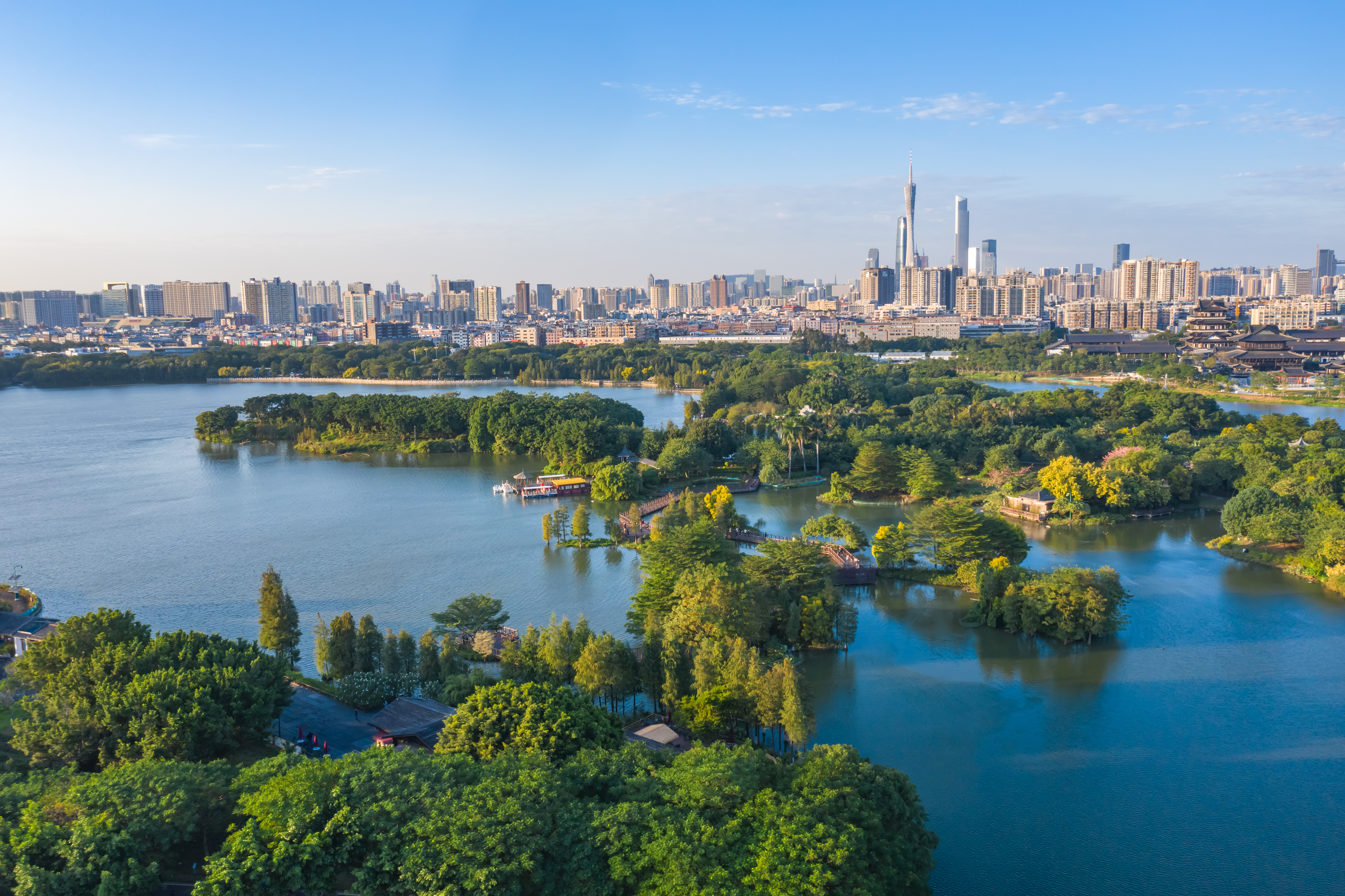 Guangzhou demonstrates community engagement and ecological sustainability alongside continued urban development. © The People’s Government of Guangzhou Municipality
GUANGZHOU is recognised for its strategic shift from a growth-led development model to one that embraces community engagement, cultural preservation, and ecological sustainability. As a fast-growing metropolis of 19 million people, Guangzhou continues to refine its approach to balancing rapid urbanisation with long-term liveability. Through policies and programmes that integrate economic vitality with social wellbeing and environmental resilience, the city demonstrates how rapid growth can be aligned with local identity, community participation, and ecological care.
Guangzhou has guided its development through a polycentric approach, with a robust metro network to connect the various districts to keep the megacity functioning well. With a legacy as a trading hub, the city adopts a welcoming attitude towards non-residents. It has established good medical and educational infrastructure to attract talents. Its long-term plan identified future development areas to support its continued long-term growth.
Balanced Growth with Community-Driven Revitalisation
Guangzhou’s commitment to liveability is reflected in its community-driven revitalisation initiatives, which place local residents at the centre of neighbourhood improvement efforts. The Public Urban Designer Programme is a notable example that improved living conditions in a district, enhanced safety, and provided job opportunities for groups like the elderly and low-income residents. A successful initiative under the Public Urban Designer Programme is the establishment of over 1,300 elder canteen centres which provides subsidized meals at affordable cost, and free health check-ups and services to the elderly and low-income residents. The initiative has since expanded to serve working young people with limited time to cook as well. These community canteens now function as key social hubs, fostering interaction and engagement among residents.
Technology is also used to further enhance and support, rather than replace, social networks – wearable devices and community-based sensors monitor health and mobility trends, providing caregivers and neighbours timely information while strengthening community support systems by empowering residents to assist vulnerable groups effectively.
Guangzhou has implemented other community-driven micro-regeneration initiatives, which includes Liurong Street Community, Yongqingfang Historical and Cultural District, and the transformation of Lieqiao 110kV Substation that focused on targeted improvements to public spaces and historic lanes and districts. These projects rely on incremental upgrades, community discussions, and local stewardship, enabling neighbourhoods to improve without large-scale clearance or relocation.
Cultural Preservation Through Adaptive Reuse and Technology
Efforts to preserve cultural heritage underpin Guangzhou’s broader regeneration strategy. Projects such as the restoration and revitalisation of Yongqingfang Historical and Cultural District and the Liwan District have carefully restored and repurposed historical landmarks for current use, fostering vibrant, sustainable growth and job creation while maintaining cultural integrity and identity within the area.
In Yongqingfang Historical and Cultural District, efforts to preserve intangible cultural heritage are supported through initiatives that promote local crafts, providing opportunities to artisans while strengthening the city’s cultural fabric and economy. The city further promotes adaptive reuse of heritage spaces by supporting multifunctional zoning and business planning, ensuring these historic sites remain relevant, active, and integrated into today’s urban economy.
Sustainable Urban Growth Through Green Infrastructure and Smart Technology
Guangzhou shifts its focus to liveability by integrating sustainability into its urban planning with emphasis on expanding urban greenery, adopting green infrastructure and restoring biodiversity. The city has embarked on a greening the city program over the last two decades and seen an overall increase in green space per person from 20,573 hectares in 2015 to 26,657 hectares in 2024, as calculated within the urban built-up area.
Two significant projects are Haizhu Wetland Park and Nansha Coastal Zone which demonstrates how ecological landscapes, and biodiversity can be protected and enhanced while remaining accessible to the public, offering both environmental benefits and recreational spaces. The Haizhu Wetland Park is a 1,100-hectare green central space located amidst Guangzhou’s high-density urban centre in Tianhe District and is a popular recreation space well-used by the community daily. It has also become one of the key destinations for the annual dragon-boating competition in the region.
Smart technologies are adopted to further complement nature-based solutions through AI-powered environmental sensors that monitor air quality, water levels, and biodiversity in real-time, ensuring efficient management. Guangzhou has developed digital twins for proactive urban and climate resilience management in Haizhu Wetland Park. Guangzhou’s strategic repositioning of the new city axis that aligns with the Haizhu Wetland Park sets this central green lung as an anchoring structure that guide future urban growth, committing to its shift in environmental resilience.
Guangzhou’s ecological planning strategy also extends to districts such as the China-Singapore Guangzhou Knowledge City (CSGKC) where the masterplan is planned around the integration of green spaces, including the transformation of farmlands into a public park with a lake that is accessible to the community and designed for rainwater detention, as well as designing a sponge-city system into its urban development infrastructure. These efforts demonstrate the city’s continued commitment to integrating environmental preservation with urban growth, ensuring long-term sustainability and liveability.
Strategic Regional Positioning and Enhanced Transport Network
Guangzhou sees itself as a Hub city serving 88 million population in the city and surrounding cities and districts. It is now part of the Greater Bay Area (GBA) which is shaping Guangzhou’s urban and economic development priorities. The Nansha district has been strategically identified as an economic and technological hub for attracting investment in high-tech manufacturing, finance, and digital innovation. Infrastructure projects, including the port, logistic centres, and residential areas, support the GBA’s rapid expansion and enhance regional connectivity with cities like Hong Kong, Shenzhen, and Macau. Guangzhou’s extensive high-speed rail network further strengthens its inter- and intra-regional connectivity, facilitating the effective and efficient movement of people.
Despite significant progress, Guangzhou faces ongoing challenges as it works towards a more liveable and inclusive future. One key issue is traffic congestion and management despite the extensive metro network that serves all the districts supplemented by public buses. The city has identified the opportunity to better integrate land use and transportation by intensifying development along metro corridors and introduce more mixed-use areas. This is partly to enable the city to de-densify the city centre, and partly to minimise the need for long distance commute over time. The city also recognises the need to continue implementing urban renewal of the remaining densely populated urban villages sensitively, drawing lessons from the successfully implemented projects that managed to maintain affordable housing and preserving community networks.
Guangzhou demonstrates a willingness to rethink its development path in the midst of rapid urbanization and growth. By combining practical experimentation, authentic community engagement, and digital tools, the city offers valuable insights for fast-growing urban centres seeking to balance and foster economic development while maintaining environmental and social resilience and liveability. O